
Could Chocolate and Bread Really Help Prevent Depression? Meet Neurobiotic Foods
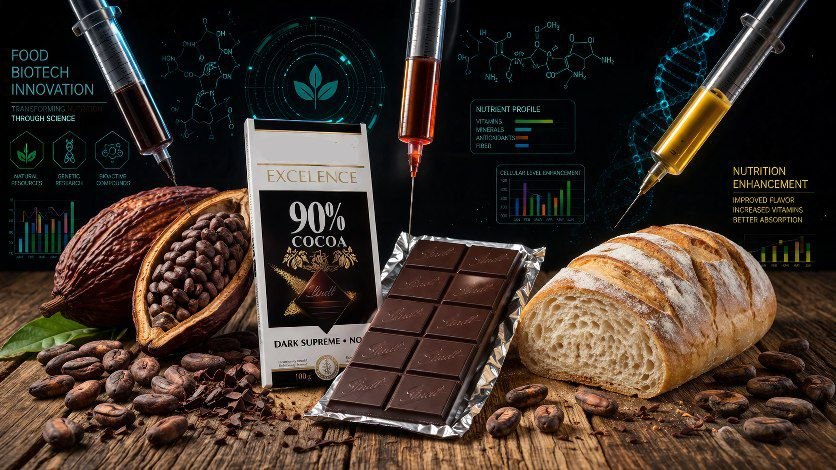
“Even functional foods like neurobiotic chocolate and bread are being developed to prevent depression and cognitive decline, Danilenko added.”
If you read that sentence and did a double take, you are not alone. Chocolate that fights depression? Bread that keeps your brain sharp? It sounds less like real science and more like the tagline of a quirky wellness startup. But according to researchers like Danilenko, this is not science fiction. It is the near future of food, and it sits at the surprising intersection of your gut and your brain.
Welcome to the world of neurobiotic foods. These are everyday products deliberately designed to improve mental health through the gut-brain axis — the busy two-way communication highway between your digestive system and your central nervous system. The word “neurobiotic” simply blends neuro (brain) with biotic (life, as in probiotics), and it represents a quiet revolution in how we think about eating. Instead of just fueling your body or pleasing your taste buds, neurobiotic foods aim to send calming, mood-lifting, and brain-protecting signals directly from your gut up to your head. And the most promising part? Scientists are baking and blending these ingredients into foods you already love: chocolate and bread.
Let’s start with chocolate, because that is probably the one that caught your attention. We are not talking about grabbing a regular milk chocolate bar from the checkout aisle. Neurobiotic chocolate would be specially formulated — likely dark chocolate enriched with specific probiotic strains like Lactobacillus or Bifidobacterium, along with polyphenols that feed your good gut bacteria. Some versions might even include adaptogenic herbs or omega-3 fatty acids. Early research already suggests that people who regularly consume probiotic-rich or polyphenol-rich foods report lower rates of depression and anxiety. The working theory is simple: if you improve the health of your gut microbiome, the brain follows. A daily square of neurobiotic chocolate might one day become as common as a morning coffee, not because it is a treat, but because it is a tool for mental resilience.
Then there is bread, which for many people feels like a neutral or even guilty staple. But imagine a loaf of sourdough or whole-grain bread fortified with GABA, a naturally occurring neurotransmitter that promotes calm, plus prebiotic fibers that act as fuel for your gut microbes, and perhaps neuroactive peptides that support memory and focus. This would not be ordinary toast. It would be a functional food specifically designed to reduce the risk of cognitive decline as you age. Some food tech companies and artisan bakeries are already experimenting with what you might call “brain bread,” and while it is not yet on every supermarket shelf, it is closer than most people realize.
Of course, it is important to be honest about where the science actually stands. This is still an emerging field. Much of the evidence comes from animal studies, small human trials on probiotics and mood, and long-term observational studies linking traditional diets to lower depression rates. That said, the larger picture is surprisingly solid. Decades of research have confirmed that gut health is deeply connected to mental health. Conditions like depression, anxiety, and even Alzheimer’s disease have all been linked to imbalances in the gut microbiome. So while “neurobiotic chocolate” sounds futuristic, the science underneath it has real roots.
None of this means that a square of chocolate or a slice of bread will cure depression or stop dementia on its own. Danilenko’s quote carefully uses the word prevent, not cure. These foods are best understood as supportive tools within a much larger toolkit that includes therapy, medication when needed, good sleep, regular exercise, and an overall healthy diet. Neurobiotic foods are not magic bullets, and they are not meant to replace real medical care. But they could become a delicious and accessible way for ordinary people to nudge their brain health in the right direction, day after day.
The good news is that you do not have to wait for these futuristic products to hit the shelves. You can already eat for your gut and your brain right now. Plain dark chocolate with at least seventy percent cocoa is rich in polyphenols. Fermented foods like yogurt, kefir, kimchi, and sauerkraut deliver natural probiotics. High-fiber foods such as oats, beans, lentils, and artichokes feed the good bacteria already living inside you. Berries, nuts, and leafy greens round out the list. In other words, the basic principles of neurobiotic eating are already available to anyone with a grocery store nearby.
Still, there is something genuinely exciting about the future Danilenko and others are describing. Imagine walking into a grocery store in a few years and seeing neurobiotic sourdough labeled “supports memory and focus,” or mood-balancing chocolate packaged with a note about clinically studied probiotics. It might sound like marketing hype, but it is actually the logical next step in the world of functional foods. We have already moved from eating simply for survival to eating for physical health. The next step is eating for mental health, baked right into the foods we already reach for without thinking.
So the next time someone jokes about “eating your feelings,” you can smile and tell them that with neurobiotic foods, that joke might eventually become real science. Chocolate and bread as tools for a healthier, happier brain? It is not fantasy. It is just the future of food, and it is coming to a bakery or a snack aisle near you.
Related Posts
-
 Lab-grown meat is estimated to account for almost a quarter of global meat consumption by 2035, encounters environmental costs obstacles
-
 Yale University Team rewires behavioral brain neurons in a mutant worm using hydra parts
-
 VEGAN MEAT TURNS OUT TO BE NOT NATURAL AND YET INVESTORS AND BANKERS INTRODUCED IT IN 80 COUNTRIES
-
 3D Graphene-Acrylamide Hydrogel Scaffolds for Neuron Growth
About The Author

